Asparagus
History

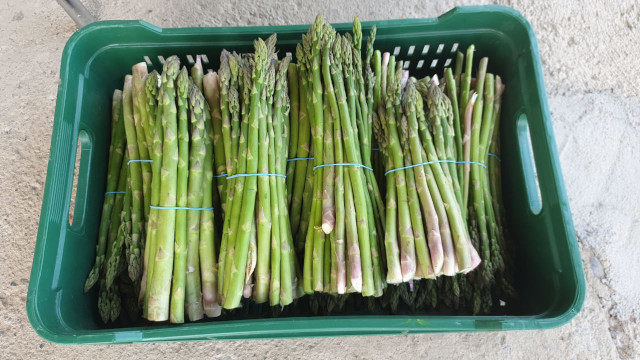
The green asparagus is native to the Mediterranean Sea area, near the Tigris and Euphrates rivers. In ancient Egypt and Greece it was used as food and as an offering to the gods. It was the Romans who popularized this plant due to its medicinal properties and carried it throughout Europe.
With the decline of the Roman Empire, the consumption of this vegetable declined significantly. However, in the twelfth century they again acquired fame for their qualities in gastronomy. As early as the 17th century, asparagus became one of the most consumed foods by the bourgeoisie and the upper classes of society.
Until the 19th century, the only type of asparagus that was known was that of green. However, thanks to a change in the form of cultivation (underground) the white variety emerged. The difference is related to how much contact with the sun the plant has (the green is for chlorophyll).
Multiple Benefits |
In addition to being delicious and versatile, the benefits of asparagus are many. Do you know them? |
Key Nutrition Ally |
You will be able to maintain the line due to the low calories it provides and the high fiber content. Because it has a large amount of fiber it can be considered as a satiating food, which will help you reduce your appetite If we are on a diet to lose weight we cannot stop including asparagus in our meal plan. One cup (200 g) of this vegetable has almost 300 mg of potassium. This nutrient is famous for reducing abdominal fat |
Vitamins and Antioxidants |
They have a lot of vitamins, especially A, B1, B2, B6, C and E. It also stands out for its contribution in minerals such as magnesium, phosphorus, calcium and potassium. High amount of antioxidants |
It is antidepressant and helps sleep |
Another benefit of asparagus is that they have a good dose of folic acid. This nutrient is responsible not only for improving the health of pregnant women and helping the fetus in its development, but also has beneficial effects on the brain. This vegetable, therefore, reduces the risks of suffering cognitive impairment, but also serves to fall asleep, fight insomnia and treat depression. Therefore, if you are having trouble resting, you are too stressed or tired, the best thing you can do is eat some asparagus at dinner. It is better than any pill |
Protegen la Sangre |
Its diuretic properties and high potassium content are ideal for those who suffer from fluid retention. |
It is recommended for bones |
People over 50 years old (especially women who are in the menopause stage) and children under 5 years old should consume more asparagus than others. Why? Because thanks to the vitamin K that provides your bones they will be stronger and healthier and fractures will be avoided.
|
It is antiviral |
Finally, another of the benefits of asparagus is related to its supply of nutrients that favor the immune system. They are ideal, then, to prevent colds, flu or any viral or bacterial disease. |
CULINARY APPLICATIONS
Asparagus is a delicious vegetable that looks good with any meal. From a breakfast with a ham omelette with asparagus or lightly sauteed to add them to a sandwich for lunch. If you want a slightly more complete lunch, you can add them to a pasta, salad or risotto. You can also opt for roasted asparagus to accompany a cut of meat or some stew.
They can be made grilled, steamed, grilled or with a simple dressing. It is also ideal to include in tortillas, canapés or as a side dish.
MORE MEDICINAL BENEFITS
Asparagus is one of the most balanced vegetables. Low in fat, cholesterol and sodium, asparagus has vitamin A (also known as retinol because they produce retinal pigments), E (it has strong antioxidant properties, that is, it reduces the oxidation damage caused by oxygen, which can damage the tissues, cells and organs) and K (which helps against blood clots), magnesium, zinc and selenium, as well as fiber, thiamine, riboflavin, niacin, vitamin B6, iron, copper and manganese.
 English
 Spanish
 (+57) 312.300.6700